The Complete International Travel Packing List for UK Travellers [2026]
0 / 54 checked
Planning an international trip and worried about forgetting something essential? This packing checklist covers everything a British traveller needs — from key documents and travel money to electronics and toiletries. Tick off each item as you pack to make sure nothing gets left behind before you head to the airport.
Before You Start Packing: The Most Important Thing to Sort First
Before ticking items off this list, make sure you have travel insurance arranged.
A common misconception is that the NHS will cover you if you fall ill abroad — it will not. Medical treatment overseas can be extremely expensive. An ambulance call-out in the USA can cost £2,000 or more, a single night's hospital stay can run to £5,000+, and an emergency repatriation can cost £50,000–£150,000. Without insurance, you pay every penny yourself.
For travel within Europe, applying for a Global Health Insurance Card (GHIC) — free from the NHS — gives you access to state healthcare at the same cost as locals. However, the GHIC does not cover private treatment, repatriation, trip cancellation, or lost luggage. A dedicated travel insurance policy covers all of that.
Key Benefits of a Comprehensive Travel Insurance Policy
What a good policy covers:
- Emergency medical treatment and hospitalisation: Including private treatment where NHS-equivalent care is unavailable
- Medical repatriation: Air ambulance home if required — often £50,000–£150,000 without cover
- Trip cancellation and curtailment: If you have to cancel or cut short your trip due to illness, bereavement, or other covered reasons
- Lost or delayed luggage: Compensation for belongings that go missing in transit
- 24/7 emergency assistance line: A number to call if things go wrong abroad
Compare policies on comparison sites such as MoneySuperMarket, Compare the Market, or GoCompare. Annual multi-trip policies are often better value if you travel more than twice a year.
Essentials at a Glance
| Item | Notes |
|---|---|
| Passport | Check expiration — many countries require 6+ months validity remaining |
| Visa / Entry Requirements | Check FCDO travel advice for your destination at gov.uk/foreign-travel-advice |
| Travel Card | Revolut or Monzo — no foreign transaction fees |
| Cash (GBP + local currency) | Have some local currency ready for arrival; ATMs at destination usually give the best rates |
| eSIM / International Plan | Three UK includes free roaming in 71 countries; eSIM providers like Airalo also work well |
| Travel Insurance | NHS does not cover medical treatment abroad; use GHIC for EU + dedicated policy elsewhere |
| Flights | Save boarding passes to your phone and print a backup |
1. Essentials & Documents
These are the absolute must-haves. Without these items, you cannot travel. Double-check each one before heading to the airport — replacing them abroad is time-consuming, expensive, and sometimes impossible.
Your passport is the single most important document for international travel. Many countries require at least 6 months of validity remaining beyond your return date. Check your passport's expiry date now — UK passport renewals through His Majesty's Passport Office typically takes around 3 weeks via the online service, though it can take up to 10 weeks during peak periods.
Take a clear photograph of your passport's data page and save it to your email and cloud storage. Also leave a photocopy with a trusted person at home. If your passport is lost or stolen, having a digital copy makes reporting to the local police and contacting the nearest British Embassy or High Commission significantly easier.
Following Brexit, British citizens no longer have the right to use EU/EEA identity cards at most European borders. You must travel on your full British passport (or a valid British National Overseas passport where applicable). Check entry requirements for each country via the FCDO travel advice pages at gov.uk/foreign-travel-advice.
British passport holders can enter many countries without a visa for short tourist stays, but entry requirements have changed since Brexit. Always check in advance:
- Europe (Schengen Area): Visa-free for up to 90 days in any 180-day period. The EU's ETIAS travel authorisation system is expected to launch in late 2026 — once live, UK travellers will need to register online before entering Schengen countries.
- USA: UK citizens must apply for ESTA (Electronic System for Travel Authorisation) before travel — costs $40 and is valid for 2 years or until your passport expires, whichever comes first.
- Australia: Requires an ETA (Electronic Travel Authority), applied for online through the Australian ETA app.
- India, China, Russia, Brazil: Visa required in advance — allow several weeks for processing.
- Japan, South Korea, Canada, Mexico: Visa-free for short tourist stays.
Always check entry requirements at least 6–8 weeks before departure at gov.uk/foreign-travel-advice. Requirements can change with little notice.
Carry at least two payment methods — a fee-free travel card and a backup credit or debit card. Here is why this matters:
- Standard UK bank cards typically charge 2.75–3% on foreign transactions — those fees add up quickly on a longer trip
- Cards like Revolut and Monzo offer real interbank exchange rates with no mark-up on everyday spending
- Always pay in the local currency when given the choice — never accept dynamic currency conversion to GBP at the point of sale, as the rate used is almost always worse
- Notify your bank of your travel dates before you leave to avoid fraud blocks on your card abroad
Revolut & Monzo: No-Fee Travel Cards for UK Travellers
If you don't already have a card that avoids foreign transaction fees, Revolut and Monzo are the two most widely recommended options for British travellers. Both apps offer real interbank exchange rates with no hidden mark-ups, and both are free to open.
The biggest advantage over a standard UK bank card: no foreign transaction fees. Most high-street bank debit and credit cards charge 2.75–3% on every overseas purchase. On a £2,500 trip, that is £75 wasted. Revolut and Monzo eliminate that cost entirely on everyday spending.
Revolut supports 150+ currencies and lets you hold, exchange, and spend in multiple currencies from one app. The free plan includes fee-free spending up to £1,000 per month at the interbank rate. Paid plans (Revolut Plus, Premium, Metal) remove the monthly limit and add travel insurance, lounge access, and cashback.
Monzo is a UK-regulated bank (fully FSCS protected up to £85,000), which makes it a reassuring choice for those who prefer a traditional banking structure alongside the modern app. The free account offers fee-free spending in 150+ countries, though ATM withdrawals abroad are limited to £200/month on the free tier before a 3% fee applies.
- No foreign transaction fees — save 2.75–3% on every purchase abroad
- Real exchange rates — interbank rate with no mark-up on everyday spending
- Instant spending notifications — know exactly what you spent and when
- Instant card freeze — lock your card immediately if lost or stolen
- Free to open — both cards have a zero-fee base tier
Learn More About Revolut
No affiliation — editorial recommendation
Learn More About Monzo
No affiliation — editorial recommendation
Consider leaving your everyday wallet at home and using a slim travel wallet or RFID-blocking crossbody bag instead. Only bring the cards and cash you will actually need each day. Pickpocketing is common in tourist areas across Europe and elsewhere, so keep valuables in a zipped inner pocket or a bag worn at the front. Many travellers also carry a small "decoy wallet" with a few low-value notes as a precaution in higher-risk areas.
Carry a modest amount of pounds sterling as a backup. While GBP is not as universally exchangeable as USD, it is still accepted at currency exchange desks in most major tourist destinations. ATMs abroad typically offer better exchange rates than airport bureaux de change, so withdraw local currency on arrival rather than exchanging large amounts of pounds before you leave. Avoid airport currency exchange counters as they consistently offer the worst rates.
Having a small amount of local currency when you land is genuinely useful — for airport taxis, tips, or small purchases before you have a chance to find a decent ATM. You can withdraw local currency from an ATM at your arrival airport (the rates are usually reasonable), or order a small amount through your bank before departure. Check whether your destination is predominantly cash-based or card-friendly — cash is still essential in Japan, for example, even though it is a highly developed country.
Your smartphone is your all-in-one travel tool: maps, translation, boarding passes, currency converter, restaurant finder, and camera. Before you leave, download offline maps for your destination in Google Maps or Apple Maps — these work without a data connection. Install Google Translate and download the language packs for offline use. Make sure your phone is unlocked if you plan to use a local SIM card or eSIM abroad.
Roaming charges on standard UK plans can still be significant. Here are the main options for staying connected abroad:
- Three UK (recommended for many destinations): Three's Go Roam feature includes free roaming in a range of destinations (the number varies by plan — check Three's website for your specific plan) — you use your existing data, calls, and texts allowance at no extra cost. This covers most of Europe, the USA, Australia, and many other popular destinations.
- eSIM (recommended for flexibility): Providers like Airalo, Holafly, and Nomad offer affordable data plans you can activate digitally before you leave. No physical SIM swap needed — ideal if your phone supports eSIM.
- Local SIM card: Buy on arrival at the airport. Cheapest option for longer stays but requires an unlocked phone.
- EE, Vodafone UK, O2: All offer international roaming add-ons. O2 includes free roaming in 40+ European destinations on many plans. EE and Vodafone typically charge £2–£6/day in Europe and £5–£10/day elsewhere. Check your plan before travelling.
If you are on Three, check whether your destination is covered under Go Roam before relying on it — the list of included countries is on Three's website.
The NHS does not cover you outside the United Kingdom. A travel insurance policy is not optional — it is essential. Key reasons:
- Emergency medical treatment abroad can cost tens of thousands of pounds without cover
- Medical repatriation (being flown home by air ambulance) typically costs £50,000–£150,000
- Trip cancellation cover protects your holiday spend if you have to cancel due to illness, bereavement, or other covered events
- Baggage and personal effects cover compensates for lost, stolen, or damaged belongings
GHIC (Global Health Insurance Card): UK residents can apply for a free GHIC from the NHS. This gives you access to necessary state healthcare in EU countries at the same cost as local residents. However, it does not replace travel insurance — it does not cover private treatment, repatriation, trip cancellation, or non-EU destinations.
Apply for your GHIC at overseas-healthcare.nhsbsa.nhs.uk — it is free and valid for up to 5 years. Carry it alongside your travel insurance policy details.
Save your boarding passes to your phone's wallet app (Apple Wallet or Google Wallet) and also print paper copies as a backup. Some countries require proof of a return or onward ticket upon entry — have that ready either on your phone or in print.
Check in online 24 hours before departure to secure your preferred seat and avoid long queues at the airport. Most UK airports are busy — arriving at least 2.5–3 hours before departure is recommended for international flights.
If your travel card or credit card includes lounge access (some Revolut Premium/Metal and American Express cards include Priority Pass or equivalent), download the relevant app before you travel and check which lounges are available at your departure airport. Airport lounges offer complimentary food and drinks, comfortable seating, and reliable WiFi — particularly valuable during long layovers. Major UK airports including Heathrow, Gatwick, and Manchester have a range of participating lounges.
Pack all prescription medications in their original labelled containers inside your carry-on bag — never in checked luggage. Bring enough for the full duration of your trip plus a few extra days in case of delays. Carry a letter from your GP for controlled drugs or injectable medications, as some countries have strict rules on what you can bring in. Over-the-counter essentials to consider: ibuprofen or paracetamol, anti-diarrhoeal tablets, antihistamines, antacid, motion sickness tablets, and rehydration sachets. Pharmacies abroad may not stock the same brands or formulations you are used to.
2. Luggage & Packing
Check your airline's size and weight limits for both carry-on and checked bags before packing. UK airlines vary considerably: British Airways allows a 23kg checked bag in economy, while many budget carriers such as Ryanair and easyJet charge extra for hold luggage and restrict carry-on size. If you are travelling carry-on only, a 55 x 40 x 20cm bag fits within most European airline overhead bin restrictions.
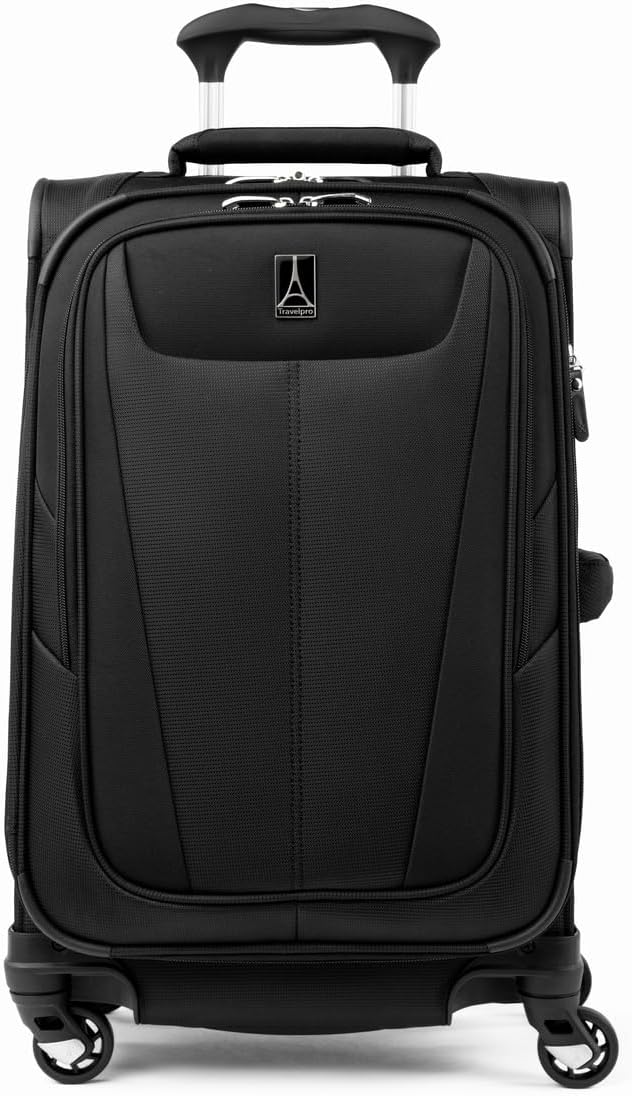
Travelpro Maxlite 5 Softside Expandable Luggage with 4 Spinner Wheels, Lightweight Suitcase, Carry-on 21-Inch, Black
AD

A lightweight, foldable daypack is invaluable for sightseeing. Look for one with anti-theft features such as lockable zippers and a hidden pocket. Crossbody bags worn at the front are a good option in crowded tourist areas across Europe, Asia, and Latin America where pickpocketing is more common.

If you are travelling to or via the United States, use TSA-approved combination locks on your checked baggage. US Transportation Security Administration officers have master keys for these locks, allowing them to inspect your bag without cutting it open. For travel that does not go through the USA, a standard combination lock is fine, though TSA-approved locks work everywhere and are widely available.

Forge TSA Luggage Combination Lock - Open Alert Indicator, Easy Read Dials, Alloy Body (Black 4PK)
AD
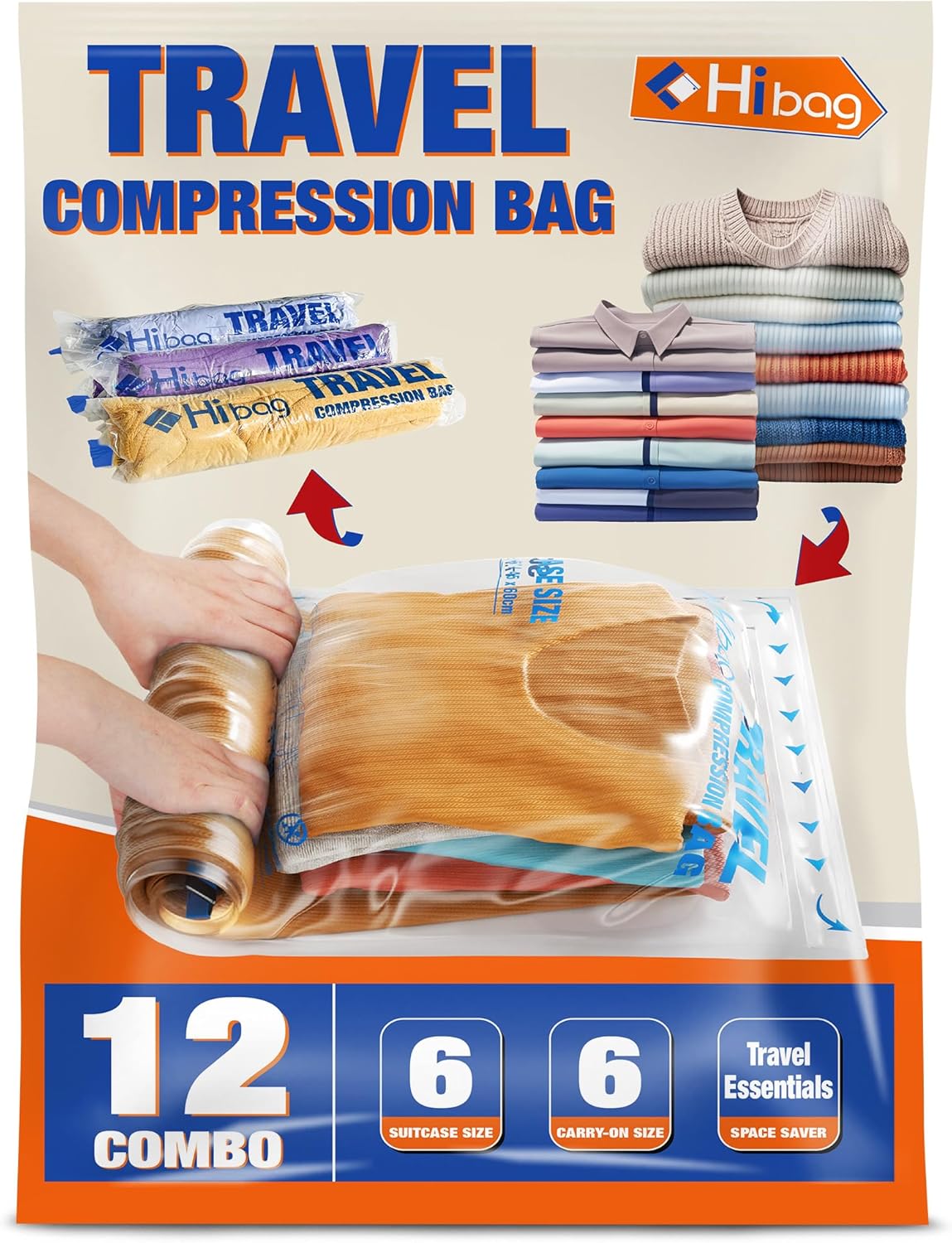
Packing cubes are one of the most useful travel accessories available. They compress your clothes, keep categories of items separate and easily accessible, and allow you to find what you need without unpacking your entire suitcase. Particularly helpful on longer trips with multiple destinations.

Amazon Essentials 4-Piece Packing Cubes Travel Accessories Set, Space-Saving Luggage Organiser with Double Zipper, Mesh Top Panel, Small/Medium/Large/Slim, Grey
AD
3. Clothing & Accessories
Pack versatile tops in neutral colours that mix and match easily. Quick-dry and wrinkle-resistant fabrics work best for travel. Research the weather at your destination and layer accordingly — a lightweight merino wool base layer is excellent for regulating temperature in variable climates.
You typically need fewer pairs of trousers than tops — two or three pairs should cover most week-long trips. Lightweight, quick-dry trousers that look presentable enough for restaurants as well as casual sightseeing are the most versatile option. Consider whether your destination has dress codes for religious sites, which require covered shoulders and knees.
Pack enough pairs for each day of your trip plus one or two extra. For longer trips, quick-dry travel underwear (merino wool or synthetic fabrics) can be hand-washed and air-dried overnight in your hotel room, reducing the amount you need to carry.
Do not underestimate the importance of good-quality socks, especially on a walking-heavy trip. Merino wool socks regulate temperature, resist odour, and dry quickly — they are well worth the investment for travel. Pack a pair of thin compression socks specifically for long-haul flights (see the In-Flight Comfort section).
Some hotels provide robes or lightweight pyjamas, but do not count on it. Compact, comfortable sleepwear takes up minimal space and ensures a good night's rest regardless of what your accommodation provides.
A microfibre travel towel is compact, lightweight, and dries very quickly. Useful for beaches, budget hostels, or any accommodation that does not provide towels. Far more practical than a standard cotton towel when space is limited.

Rainleaf Microfiber Towel Perfect Travel and Gym and Camping Towel, Quick Dry, Super Absorbent, Ultra Compact
AD

As a British traveller, you likely already know the value of being prepared for rain. A packable waterproof jacket weighs almost nothing and can save your day abroad. A compact travel umbrella is also worth throwing in — unexpected showers are common in most destinations.

Windproof Travel Umbrella - Compact and Withstands Winds up to 85MPH, Strongest Premium Auto Folding Umbrella for Rain and Sun
AD
Even if you are not heading to a beach destination, many hotels have pools. Pack swimwear if there is any possibility you might use it — it is lightweight and takes up very little space.


4. In-Flight Comfort
A decent neck pillow makes a significant difference on long-haul flights out of the UK — routes to Australia, New Zealand, East Asia, and the Americas are frequently 10+ hours. Memory foam options tend to provide the best support.

Cabeau Airplane Travel Pillow for Long Flights - Evolution S3 - Supportive Memory Foam with Seat Straps (Steel Grey)
AD

Earplugs are inexpensive and highly effective. If you want to invest more, noise-cancelling headphones such as the Sony WH-1000XM5 or Apple AirPods Pro make long-haul flights considerably more comfortable — both for blocking cabin noise and for listening to entertainment.

Loop Quiet Ear Plugs for Noise Reduction - Super Soft, Reusable Hearing Protection in Flexible Silicone for Sleep, Noise Sensitivity - 24dB, Black
AD
On flights longer than four hours, compression socks help prevent swelling and reduce the risk of deep vein thrombosis (DVT). The NHS recommends them for long-haul travel, particularly if you have a history of DVT or are at elevated risk. Lightweight travel slippers are also useful on overnight flights when you want to remove your shoes.

Physix Gear Compression Socks - Best Men and Womens Compression Sock for Circulation, Running, Nurses, Athletic Use, Black, S/M
AD
A pen is useful for filling in customs declaration or arrival cards before landing — they are sometimes handed out by cabin crew, but having your own saves time. A simple ballpoint pen in your carry-on bag is all you need.
5. Toiletries & Daily Items
Remember the UK/EU carry-on liquids rule: containers must hold no more than 100ml each, and all containers must fit in a single transparent resealable bag of approximately 20cm x 20cm (one litre capacity). Note that some major UK airports (including Heathrow, Gatwick, and Edinburgh) have introduced new CT scanners that allow liquids up to 2 litres — but many airports still apply the 100ml rule. Check your departure airport's current rules before packing.

Most hotels provide basic toiletries, but quality and formulation vary enormously. Travel-size bottles of your preferred products or refillable silicone squeeze bottles are the most practical solution. Solid shampoo and conditioner bars are increasingly popular as they avoid the 100ml liquid restriction entirely.

Gemice Travel Bottles for Toiletries, TSA Approved, Travel Size Containers BPA Free Leak Proof Refillable
AD
Aircraft cabins are extremely dry, so a good moisturiser is essential — particularly on overnight flights. Do not forget sunscreen: even on city trips, you will be outside considerably more than usual. SPF 30+ broad-spectrum is the minimum recommended by UK dermatologists. If you are visiting a destination with high UV index (such as Australia, the Caribbean, or Southern Europe in summer), SPF 50+ is advisable.
Bring your preferred brand — finding the exact product you use abroad can be unreliable. Stick deodorant does not count as a liquid for airport security purposes. Aerosols must comply with the 100ml rule if in your carry-on bag.
Pack extra contact lenses and a travel-size bottle of solution (100ml or less for carry-on). Bring your glasses as a backup — the dry air in aircraft cabins frequently causes eye irritation for contact lens wearers, and it is uncomfortable to be without an alternative on a long flight.
Disposable razors and cartridge razors are permitted in carry-on bags. Safety razors with removable blades must be packed in checked luggage — loose razor blades are not allowed in the cabin. Electric shavers can go in either.
Essential for tropical and rural destinations. DEET-based repellents (20–50% concentration) are the most effective against mosquitoes and other insects. Picaridin is a non-greasy, lower-odour alternative that is also highly effective. Check NHS travel health advice and any specific health notices for your destination, particularly for areas with malaria, dengue fever, or Zika virus risk.
Hand sanitiser (100ml or less for carry-on) and individually wrapped wet wipes are genuinely useful when soap and water are not accessible — on planes, trains, buses, at street food markets, and at many public facilities in some destinations. A small personal supply removes the uncertainty of relying on public facilities.
In many countries — including parts of Southern and Eastern Europe, Asia, and Latin America — public toilets do not provide toilet paper, or charge for it separately. A small pocket pack of tissues can save you from an uncomfortable situation. This is one of those items that weighs almost nothing but feels invaluable when you need it.
For longer trips, a small bottle of travel laundry detergent and a flat rubber sink stopper allow you to hand-wash clothes in your hotel bathroom sink. Clothes can usually be air-dried overnight on a hanger or towel rack. Alternatively, launderettes and hotel laundry services are available in most destinations — ask at reception.

Sea To Summit Wilderness Wash (8.5 Ounce / 250ml)
AD
Pack some familiar snacks for the flight and the first day of your trip. Cereal bars, dried fruit, nuts, and crackers all travel well. You may not always have time to find food immediately after landing, and airport food at your destination may be expensive. Note that some countries have strict biosecurity rules on bringing food across borders — check the rules for your destination before packing perishables or fresh items.
6. Electronics & Gadgets
Bring a fast charger and a long cable (1.5–2m is convenient when hotel room outlets are not near the bed). A multi-port USB charger allows you to charge several devices simultaneously from a single outlet. USB-C GaN chargers are compact and powerful — well worth the upgrade if you have not already switched.

Anker Charger, 65W 3-Port Fast Compact Foldable USB C Charger Block
AD
Your phone will drain faster than usual when navigating, taking photos, and using mobile data abroad. A 10,000–20,000mAh power bank provides two to four full charges. Important: power banks must be carried in your hand luggage — airlines do not allow lithium batteries in checked baggage. Check the watt-hour rating; most consumer power banks fall within airline limits, but very large capacity units may be restricted.

Anker Portable Charger, 325 Power Bank (PowerCore Essential 20K), 20000mAh Battery Pack
AD
This is a must-have if you are travelling outside Europe. The UK uses Type G plugs (the three-pin rectangular design), which is different from virtually every other country in the world. In Europe, you will need an adaptor for Type C or Type E/F sockets. In the USA, Australia, Japan, and most other destinations, you will need a different adaptor again. A universal travel adaptor covers all major socket types worldwide. Most modern chargers and laptop power supplies are dual-voltage (100–240V), so you only need an adaptor — not a voltage converter.

EPICKA Universal Travel Adapter, European Travel Plug Adapter - International Power Adapter with USB-C and 4 USB-A Ports (TA-105, Grey)
AD
Your phone camera may be all you need for most trips. If you want higher image quality, a compact mirrorless camera such as the Sony ZV-E10 or Fujifilm X100VI is worth the additional weight. Pack extra memory cards and spare batteries — both are easier to source at home than in many destinations.
For water activities, hiking, and adventure sports, an action camera is waterproof and rugged enough to handle conditions that would damage a standard camera or phone. Useful for snorkelling, skiing, cycling tours, and similar activities.
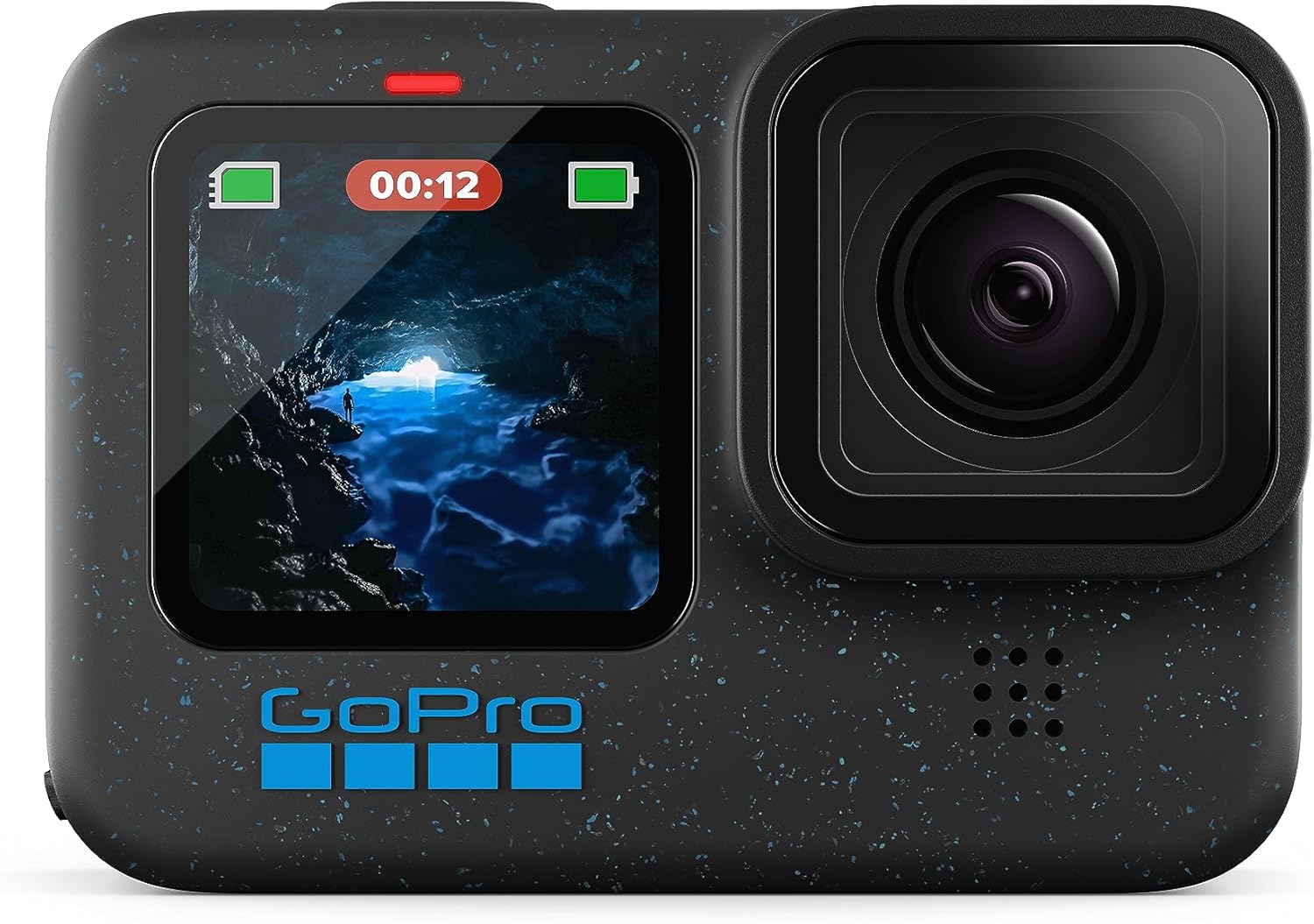
GoPro HERO12 Black - Waterproof Action Camera with 5.3K60 Ultra HD Video, 27MP Photos, HDR
AD
Hotel rooms overseas often have only one or two sockets in inconvenient positions. A compact travel extension lead — ideally with USB ports built in — allows you to charge all your devices at once from a single adaptor. Check that the lead is rated for the voltage of your destination country.

Travel Power Strip, NTONPOWER 3 Outlets 3 USB (1 USB C) Cruise Approved Power Strip, Short Extension Cord 3ft, White
AD
Most hotels provide hair dryers, but they are often underpowered. If you prefer a specific model, check that it is dual-voltage (100–240V) before using it abroad. UK appliances running at 230V can be damaged by 120V US power supplies if you only use a plug adaptor without a voltage converter. High-wattage devices such as hair dryers and straighteners are the main items where voltage matters — most modern chargers and laptops handle dual voltage automatically, but dedicated heat appliances often do not.
An e-reader weighs almost nothing and holds thousands of books. Ideal for long-haul flights, beach holidays, and downtime at the hotel. Download your books before leaving home — WiFi reliability varies significantly by destination, and relying on downloading large files on roaming data can be slow and expensive.

Kindle Paperwhite (16 GB) - Now with 6.8" display and adjustable warm light
AD
7. Summary
International travel requires more preparation than a domestic trip, but do not let that overwhelm you. As long as you have your passport, travel money card, phone, travel insurance, and GHIC, you can handle most situations on the go. The majority of things you might forget can be purchased at your destination. Focus on the essentials, pack sensibly, and enjoy your trip.
| Item | Notes |
|---|---|
| Passport | Check expiration — many countries require 6+ months validity remaining |
| Visa / Entry Requirements | Check FCDO travel advice for your destination at gov.uk/foreign-travel-advice |
| Travel Card | Revolut or Monzo — no foreign transaction fees |
| Cash (GBP + local currency) | Have some local currency ready for arrival; ATMs at destination usually give the best rates |
| eSIM / International Plan | Three UK includes free roaming in 71 countries; eSIM providers like Airalo also work well |
| Travel Insurance | NHS does not cover medical treatment abroad; use GHIC for EU + dedicated policy elsewhere |
| Flights | Save boarding passes to your phone and print a backup |
Revolut & Monzo: No-Fee Travel Cards for UK Travellers
If you don't already have a card that avoids foreign transaction fees, Revolut and Monzo are the two most widely recommended options for British travellers. Both apps offer real interbank exchange rates with no hidden mark-ups, and both are free to open.
The biggest advantage over a standard UK bank card: no foreign transaction fees. Most high-street bank debit and credit cards charge 2.75–3% on every overseas purchase. On a £2,500 trip, that is £75 wasted. Revolut and Monzo eliminate that cost entirely on everyday spending.
Revolut supports 150+ currencies and lets you hold, exchange, and spend in multiple currencies from one app. The free plan includes fee-free spending up to £1,000 per month at the interbank rate. Paid plans (Revolut Plus, Premium, Metal) remove the monthly limit and add travel insurance, lounge access, and cashback.
Monzo is a UK-regulated bank (fully FSCS protected up to £85,000), which makes it a reassuring choice for those who prefer a traditional banking structure alongside the modern app. The free account offers fee-free spending in 150+ countries, though ATM withdrawals abroad are limited to £200/month on the free tier before a 3% fee applies.
- No foreign transaction fees — save 2.75–3% on every purchase abroad
- Real exchange rates — interbank rate with no mark-up on everyday spending
- Instant spending notifications — know exactly what you spent and when
- Instant card freeze — lock your card immediately if lost or stolen
- Free to open — both cards have a zero-fee base tier
Learn More About Revolut
No affiliation — editorial recommendation
Learn More About Monzo
No affiliation — editorial recommendation