The Complete International Travel Packing List for Singaporeans [2026]

0 / 56 checked
Heading overseas from Singapore? This packing checklist covers everything Singaporean travelers need for a smooth international trip — from ICA-issued documents and Changi Airport security rules to the right travel card and eSIM options. Tick off each item as you pack to make sure nothing gets left behind.
Before You Start Packing: Sort Out Travel Insurance First
Unlike some countries, Singapore does not have a government-sponsored overseas health coverage scheme. If you fall ill or are injured abroad, you pay out of pocket — and medical bills in destinations like the US, Japan, or Europe can run into tens of thousands of dollars.
A basic travel insurance policy from insurers like Income Insurance, AXA, or FWD typically starts from around S$20–30 for a short trip. Comprehensive plans covering trip cancellation, lost baggage, and emergency medical evacuation are S$50–100 for a week-long trip — a small cost compared to a potential S$50,000+ hospital bill overseas.
If you hold a travel credit card like the DBS Altitude Visa, check whether complimentary travel insurance is included when you charge your full travel fare to the card — this can serve as a baseline level of coverage for many common situations.
DBS Altitude Visa Signature Card
Charge your full travel ticket to the DBS Altitude and get complimentary travel insurance automatically — no separate application needed. Key protections include:
- Travel inconvenience: coverage for flight delays, missed connections, and trip curtailment
- Baggage loss or delay: reimbursement for lost or delayed checked luggage
- Personal accident: coverage for accidental death and permanent disability while traveling
Additional benefits:
- 3.25% foreign currency fee (standard for most Singapore cards, offset by miles earning)
- Earn up to 3 miles per S$1 on flights and hotels booked online
- 2 complimentary airport lounge visits per year via Priority Pass
- Miles transferable to KrisFlyer, Asia Miles, and more
Learn More - DBS Altitude Visa Signature Card
AD — Apply before your trip so travel insurance coverage is active from day one
Essentials at a Glance
| Item | Notes |
|---|---|
| Passport | Check expiration — many countries require 6 months validity beyond travel dates |
| Visa / ETA | Singapore passport is visa-free for 190+ countries — check MFA.gov.sg for your destination |
| Credit Card | DBS Altitude Visa Signature — strong miles earning for travelAD |
| Cash (SGD + local currency) | SGD is easily exchangeable; Changi Airport money changers offer competitive rates |
| eSIM / Roaming Plan | Singtel, StarHub, M1, or Circles.Life all offer travel add-ons; eSIM is the easiest option |
| Travel Insurance | No universal overseas coverage for Singaporeans — Income Insurance, AXA, or FWD are popular choices |
| Type G Plug Adapter | Singapore uses Type G (same as UK) — you may need an adapter at your destination |
| Flight Tickets | Save boarding passes to your phone + print a backup |
1. Essentials & Documents
These are the absolute must-haves. Without these, you cannot travel. Double-check each one before heading to Changi Airport.
Your Singapore passport is the most important travel document you own. Many countries require at least 6 months of validity remaining beyond your return date — check your expiry date now. Passport renewals through ICA can be done online and take around 1 to 2 weeks for normal processing (up to 4 weeks during peak periods), but allow more time during peak school holiday periods.
The Singapore passport is one of the most powerful in the world, granting visa-free or visa-on-arrival access to over 190 countries and territories. That said, always verify entry requirements for your specific destination before departure — conditions can change.
Make a photocopy of your passport's bio-data page and keep it separately from the original. Also email yourself a scan or save it in cloud storage. If your passport is lost or stolen overseas, contact the nearest Singapore Embassy or High Commission — a copy speeds up the process significantly.
Singapore passport holders enjoy visa-free or visa-on-arrival access to most popular travel destinations. However, some countries do require advance visa applications or electronic travel authorizations:
- Europe (Schengen Area): Visa-free for up to 90 days. ETIAS (European Travel Information and Authorisation System) is expected to launch in late 2026 — check EU authorities for the latest.
- USA: Visa-free under the Visa Waiver Program (VWP) for up to 90 days; ESTA authorization required in advance (apply at esta.cbp.dhs.gov, approximately USD 21).
- Australia: Requires an ETA (Electronic Travel Authority) — apply via the Australian ETA app.
- India: e-Visa available online before travel; some Singaporeans qualify for visa-on-arrival at select airports.
- China: Visa-free for Singapore passport holders for stays up to 30 days (policy as of 2025 — verify before travel as policies can change).
- Saudi Arabia, Russia: Visa required in advance.
Always verify entry requirements at the MFA (Ministry of Foreign Affairs) website at mfa.gov.sg or the destination country's official immigration authority website at least 4 weeks before departure.
Bring at least 2 cards from different networks (Visa and Mastercard) so you have a backup. Here is why choosing the right card matters for international travel:
- Most Singapore cards charge a foreign currency transaction fee of 2.8–3.5% on every overseas purchase — on a S$4,000 trip, that is S$112–140 wasted on fees alone
- Travel-focused cards eliminate these fees and earn miles simultaneously, making them clearly superior to standard cards for overseas use
- Cards provide fraud protection — if compromised abroad, you can freeze the card instantly via the app
- When given the option, always choose to pay in the local currency, not SGD — paying in SGD triggers Dynamic Currency Conversion (DCC), which applies a poor exchange rate set by the merchant
Practical tip: Notify your bank of your travel dates and destinations before departure. Some banks may flag unusual overseas transactions and temporarily block your card.
DBS Altitude Visa Signature Card
For Singaporean travelers heading abroad, the DBS Altitude Visa Signature Card is widely regarded as one of the most practical travel credit cards available locally. It earns air miles on every purchase — a feature that matters most when you are spending abroad. Note that a 3.25% foreign currency transaction fee applies to overseas purchases, which is standard for most Singapore credit cards.
Most standard Singapore credit cards charge a foreign currency transaction fee of around 2.8–3.5% on overseas purchases. On a S$5,000 trip, that adds up to S$140–175 in avoidable fees. The DBS Altitude eliminates this entirely while simultaneously earning you miles you can redeem for future flights.
Beyond the savings, the card comes with complimentary travel insurance when you charge your full travel fare to the card — providing coverage for flight delays, lost baggage, and personal accident.
- 3.25% foreign currency fee — standard rate, offset by strong miles earning
- 3 miles per S$1 on online flight and hotel transactions
- 1.3 miles per S$1 on all other local and overseas spend
- Complimentary travel insurance when fare charged to card
- Airport lounge access — 2 complimentary visits per year via Priority Pass
- Miles transfer to KrisFlyer, Asia Miles, and other frequent flyer programs
Consider using a slim travel wallet or RFID-blocking pouch rather than your everyday wallet abroad. Only carry the cards and cash you will actually need each day. Pickpocketing is common in tourist-heavy areas across Europe, Southeast Asia, and South America — keep valuables in a zippered inner pocket or a cross-body bag worn in front. Leaving your main wallet locked in the hotel safe and carrying just one card and some cash in your pocket is a sensible approach for busy tourist areas.
Carry some Singapore dollars as a backup reserve. SGD is not as widely accepted as USD or EUR for exchange overseas, so it is better to convert to local currency at Changi Airport money changers before departure — they consistently offer competitive rates. For ATM withdrawals abroad, check your bank's overseas ATM fee (typically S$5 per withdrawal). DBS/POSB, OCBC, and UOB all have varying fee structures for overseas ATM use.
Having some local currency ready on arrival is useful for taxis, tips, or small purchases at the airport before you find an ATM. Changi Airport money changers in the departure hall tend to offer better rates than exchange counters at destination airports. Avoid dynamic currency conversion at destination ATMs — always choose to withdraw in the local currency. For most destinations, using ATMs at the destination gives a fair exchange rate minus a small withdrawal fee.
Your smartphone handles maps, translation, boarding passes, hotel bookings, restaurant recommendations, and communication. Before you leave, download offline maps for your destination in Google Maps (tap your profile icon, then Offline Maps) and install a translation app with downloaded language packs. Check that your phone is SIM-unlocked if you plan to use a local or foreign SIM card — some budget phones from local telcos may be carrier-locked.
You need a reliable way to stay connected overseas. Standard international roaming on Singapore telcos can cost S$5–15 per day. Here are your options ranked from most to least convenient:
- eSIM (recommended): Providers like Airalo, Holafly, Nomad, and KKday offer affordable data-only plans you can purchase and activate before departure — no physical SIM swap needed. Works on most modern iPhone and Android models.
- Travel add-on from your Singapore telco: Singtel, StarHub, M1, and Circles.Life all offer international roaming packages — typically S$10–25 for a fixed data allowance valid for 7–30 days. Convenient but often pricier than eSIM.
- Local SIM card at destination: Cheapest option, but requires an unlocked phone and you lose your Singapore number temporarily. Works well for longer trips.
eSIM is the easiest option for short trips — purchase online before departure and it activates automatically when you land.
Singapore does not have universal overseas healthcare coverage. Any medical treatment abroad is billed in full to you or your insurer. Key benefits to look for in a policy include:
- Emergency overseas medical treatment and hospitalization
- Emergency medical evacuation (costs can exceed S$50,000–S$100,000 without insurance)
- Trip cancellation and interruption
- Lost or delayed baggage
- Personal accident coverage
- 24/7 emergency assistance hotline
Popular Singapore travel insurers include Income Insurance (TravellerShield Plus), AXA SmartTraveller, FWD Travel Insurance, and Singlife. Compare policies on MoneySmart or SingSaver before purchasing.
If your travel credit card includes complimentary travel insurance, read the policy certificate carefully — complimentary card insurance often has lower coverage limits and more exclusions than standalone policies. For high-value trips or travel to medically expensive destinations like the US or Japan, a standalone policy is worth the extra cost.
Save your boarding passes to your phone's wallet app (Apple Wallet or Google Wallet) and print paper copies as backup. Changi Airport is well connected digitally, but having a printed backup avoids any issues if your phone battery dies or you lose connectivity.
Check in online 24–48 hours before departure (timing varies by airline) to secure your preferred seat and avoid long queues at the counter. Some destinations require proof of a return or onward ticket at immigration — have this accessible on your phone.
If your credit card or travel membership includes airport lounge access, make sure you have the relevant card or app ready. The DBS Altitude Visa Signature includes 2 complimentary visits per year to Priority Pass lounges worldwide. Changi Airport itself has excellent free facilities, but lounge access at transit and destination airports can make long layovers significantly more comfortable. Download the Priority Pass app before departure to locate lounges along your route.
Pack all prescription medications in their original labeled packaging in your carry-on bag — never in checked luggage. Bring enough supply for the full trip plus a few extra days in case of delays. For controlled medications, carry a letter from your doctor and check whether the medication is permitted in your destination country — some common medications in Singapore are classified as controlled substances elsewhere. Over-the-counter essentials to bring: paracetamol, anti-diarrheal (e.g., Imodium), antacid, antihistamine, and any regular medications you use. Familiar brands may not be available at your destination.
2. Luggage & Packing
Check your airline's baggage allowance carefully — cabin baggage dimensions and weight limits vary considerably between airlines and fare classes. Singapore Airlines, Scoot, and AirAsia all have different rules. Most full-service carriers allow a carry-on up to 7–10kg and a checked bag of 20–30kg depending on your booking class.
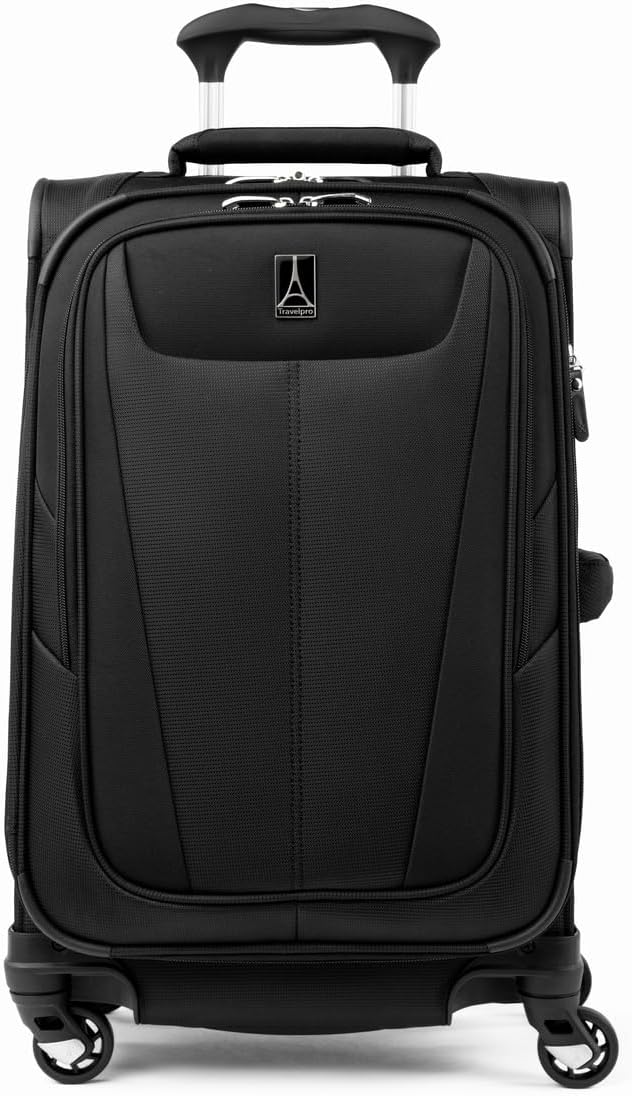
Travelpro Maxlite 5 Softside Expandable Luggage with 4 Spinner Wheels, Lightweight Suitcase, Carry-on 21-Inch
AD
A brightly colored luggage strap makes your bag easier to identify on the carousel and adds an extra layer of security for checked baggage.

BlueCosto Luggage Strap TSA Approved Combination Lock Adjustable Suitcase Straps Travel Belt
AD
A lightweight, foldable daypack is useful for sightseeing, day trips, and as a personal item under the seat. Look for one with lockable zippers and a hidden pocket for valuables. Compact cross-body bags work well in crowded city areas where pickpocketing is a concern — common in parts of Europe, South America, and busy Asian tourist spots.
Always tag your luggage with your name, Singapore phone number, and email address — not your home address. If your bag is misrouted, the airline needs a way to reach you while you are traveling. Use a tag with a privacy flap so your details are not visible to everyone who passes your bag.

Travelambo Luggage Tags for Suitcases Faux Leather Privacy Protection 2 Pack Bag Tags Travel Accessories
AD
If you are traveling to the US or Canada, use TSA-approved locks on your checked luggage — security agents have master keys and will cut non-approved locks open during random inspections. For travel to other destinations, standard combination locks are fine for checked bags. Do not lock your carry-on if it needs to go through X-ray screening.

Forge TSA Luggage Combination Lock - Open Alert Indicator, Easy Read Dials, Alloy Body (Black 4PK)
AD
Packing cubes keep your suitcase organized and let you find items without unpacking everything. They also compress soft clothing slightly, making better use of available space. Color-coding by category (tops, bottoms, accessories) makes packing and unpacking at each hotel much faster.

Amazon Essentials 4-Piece Packing Cubes Travel Accessories Set, Space-Saving Luggage Organizer
AD
Compression bags are particularly useful for bulky items like sweaters and jackets, which are not part of everyday life in Singapore but become essential for travel to cold destinations in Europe, Northeast Asia, or North America. Roll-type compression bags (no vacuum pump needed) are the most practical for travel.
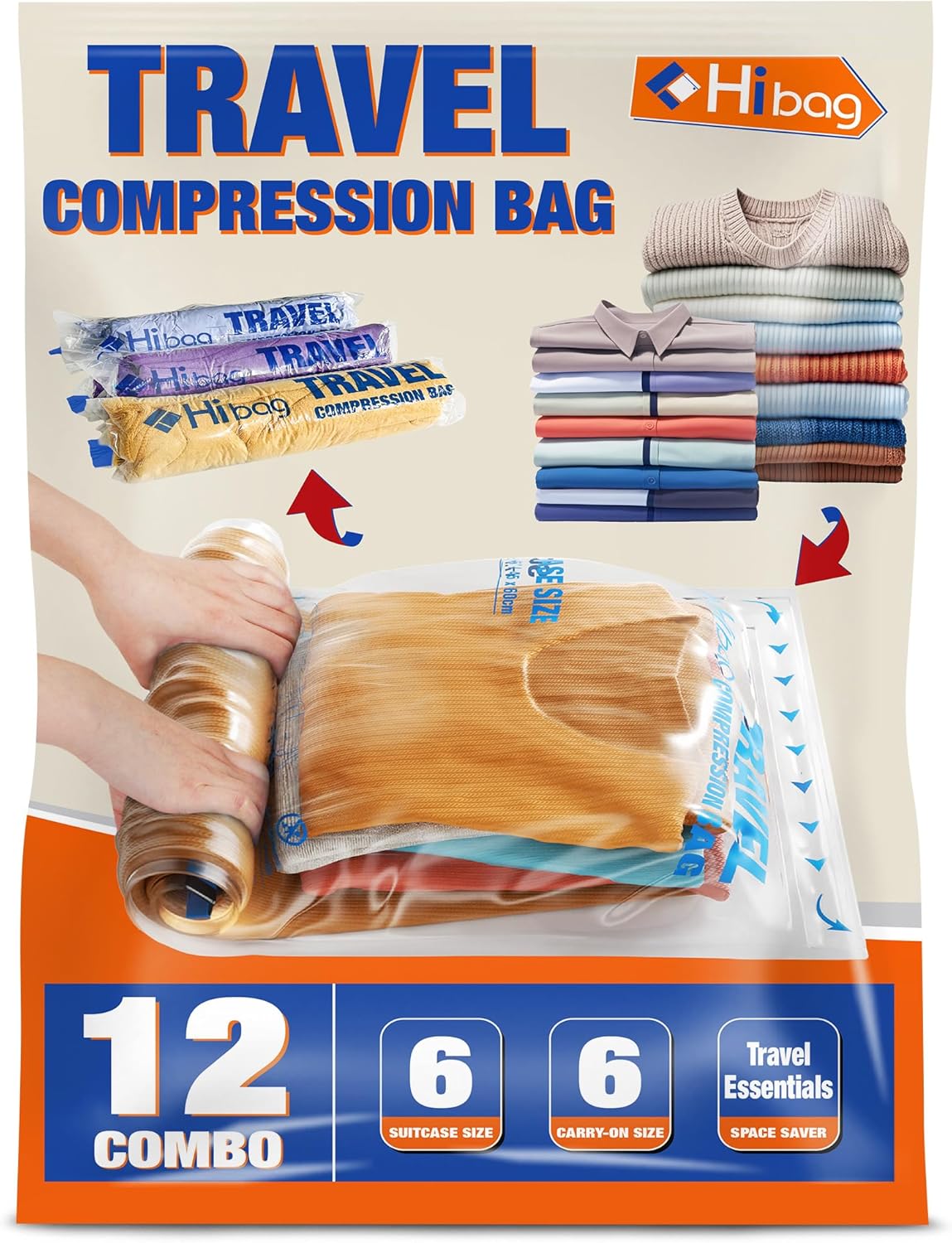
12 Compression Bags for Travel Essentials, Vacuum Packing Space Saver Bags for Cruise Accessories
AD
3. Clothing & Accessories
Pack for your destination's climate, not Singapore's. This is the most common packing mistake for Singaporean travelers — forgetting that most of the world does not have year-round tropical warmth.
Pack versatile, mix-and-match tops in neutral colors. Quick-dry and wrinkle-resistant fabrics (polyester blends, merino wool) work best for travel. For cold destinations, bring base layers you can wear under shirts. Singaporeans acclimatized to tropical weather often underestimate how cold Europe or Japan can feel — plan for the actual weather forecast, not what you think it will be.
Two to three pairs of bottoms is typically enough for a week-long trip if you plan to re-wear or do a small laundry. Lightweight, quick-dry travel pants that can transition from sightseeing to a casual dinner are ideal. If visiting religious sites (temples, mosques, churches), bring at least one pair of long pants that covers the knees — this is required at many major sites in Europe, Japan, and Southeast Asia.
Pack one pair per day plus 1–2 extras. For longer trips, quick-dry travel underwear (merino wool or synthetic) can be hand-washed in a hotel sink and dried overnight, reducing the number of pairs you need to carry.
Singaporeans rarely wear socks daily at home, but proper socks become essential for cold-weather destinations and for wearing closed-toe shoes on walking-heavy trips. Merino wool socks are excellent — they regulate temperature, resist odor, and can be worn multiple days between washes. Pack at least one pair more than you think you need.
Hotels vary widely in whether they provide robes or pajamas — luxury properties often do, budget properties typically do not. Lightweight sleepwear weighs almost nothing and ensures a comfortable night's sleep regardless of the room temperature. For cold destinations, thermal pajama bottoms can double as a base layer for outdoor activities.
This is often the most under-packed item for Singaporean travelers. Even in destinations considered "not very cold" by European or Japanese standards, temperatures of 10–15°C can feel surprisingly harsh if you are unacclimatized to anything below 25°C. A packable down jacket takes up minimal space in your bag but provides significant warmth.

Amazon Essentials Men's Lightweight Water-Resistant Packable Puffer Jacket
AD
A microfiber travel towel is compact, dries quickly, and is useful for beaches, hostels, or budget accommodations that may not provide towels. Particularly handy for island destinations in Southeast Asia and beach trips in Europe.

Rainleaf Microfiber Towel Perfect Travel and Camping Towel, Quick Dry, Super Absorbent, Ultra Compact
AD
A cap or sun hat provides essential UV protection for tropical and outdoor destinations. For cold-weather travel, a warm beanie is far more practical than a cap.

The North Face Recycled 66 Classic Hat - Classic Fit Baseball Cap for Men and Women, One Size
AD
A packable rain jacket is one of the most versatile travel items — it serves as a windbreaker in cool weather and waterproof layer in the rain. A compact travel umbrella also fits easily in a day bag and handles unexpected showers without disrupting your plans.

Windproof Travel Umbrella - Compact, Strongest Premium Auto Folding Umbrella for Rain and Sun
AD
Even if your main destination is not a beach, most international hotels have pools. Swimwear is lightweight and compact, so there is no reason to leave it behind. For beach destinations, pack a rashguard or UV-protection top if you plan to spend extended time in direct sun.
A pair of lightweight sandals or flip-flops serves multiple purposes: comfortable footwear for pool or beach use, and a backup option if your main shoes need to dry or cause blisters. Slip-on designs are also handy at airports with frequent shoe removal at security.

Crocs Men's and Women's Bayaband Flip Flop
AD
UV-protective sunglasses are important for destinations with strong reflected light — snow in Europe or Japan, white sand beaches in Maldives or Bali, or high-altitude destinations. Polarized lenses are particularly useful for reducing glare near water.

SOJOS Classic Polarized Aviator Sunglasses for Women Men, Retro Trendy Aviators Shades
AD
4. In-Flight Comfort
Singapore is a major aviation hub — most long-haul flights from Changi are 8–14 hours. The right in-flight comfort items make a meaningful difference on these distances.
A quality neck pillow is worth the investment on any flight over 6 hours. Memory foam options provide better support than inflatable versions and are not significantly bulkier for the benefit they provide. Many Singaporeans flying to Europe or the US are looking at 12+ hour flights where proper neck support genuinely affects how you feel on arrival.

Cabeau Airplane Travel Pillow for Long Flights - Evolution S3 - Supportive Memory Foam with Seat Straps
AD
Blocking cabin light is particularly important on overnight flights — common for Singaporeans flying west to Europe or east to the US West Coast. A contoured 3D eye mask that does not press directly on your eyelids is more comfortable than a flat fabric mask.

MZOO Luxury Sleep Eye Mask for Side Sleeper Men Women, Zero Eye Pressure 3D Sleeping Mask, Light Blocking
AD
Earplugs are inexpensive and highly effective for blocking engine noise. If you want to watch entertainment or listen to music, noise-canceling headphones (Sony WH-1000XM5, AirPods Pro) make long flights noticeably more enjoyable and less fatiguing. Both options fit easily in your carry-on.

Loop Quiet Ear Plugs for Noise Reduction - Super Soft, Reusable Hearing Protection, 24dB
AD
On flights over 6 hours, compression socks reduce swelling and lower the risk of deep vein thrombosis (DVT). This is particularly relevant for long-haul flights from Singapore — the 14-hour SIN-LHR or 18-hour SIN-JFK routes make compression socks a genuine health consideration, not just a comfort item. Graduated compression socks (15–20 mmHg) are appropriate for most healthy travelers.

Physix Gear Compression Socks for Men and Women - Best for Circulation, Running, Nurses, Athletic Use
AD
Lightweight foldable slippers let you move comfortably around the cabin without walking in socks. Singapore Airlines provides slippers in business and first class, but economy passengers on any airline benefit from having their own pair for overnight flights. Look for thin, washable fabric slippers that fold flat.
Many countries still require paper arrival cards or customs declarations to be completed before landing. Flight attendants sometimes distribute pens, but having your own in your carry-on avoids scrambling to borrow one. A basic ballpoint pen in your bag's outer pocket takes up no space and solves this every time.
5. Toiletries & Daily Items
Changi Airport security follows the same 100ml liquid rule as most international airports — all liquids in your carry-on must be in containers of 100ml or less, placed in a single transparent resealable bag. The same rule applies at all major airports worldwide.
Budget and mid-range hotels worldwide often do not provide toothbrushes and toothpaste — do not rely on this. Pack your own. A travel toothbrush (foldable or compact) and a 100ml or smaller toothpaste keep you within carry-on liquid rules.

Colgate Max Fresh Wisp Disposable Mini Toothbrush, Peppermint, 24 Count
AD
Most hotels provide basic shampoo and body wash, but the quality varies considerably and the brands may not suit your hair or skin type. Travel-size versions of your preferred products, or refillable silicone bottles, are the practical solution.

Gemice Travel Bottles for Toiletries, TSA Approved, Travel Size Containers BPA Free Leak Proof Refillable
AD
Long-haul flights dehydrate your skin significantly — cabin humidity is typically 10–20%, far lower than Singapore's usual 70–80%. Pack a good moisturiser and apply it during the flight. Sunscreen is essential regardless of destination — even in winter in temperate countries, UV exposure during long outdoor days adds up. SPF 50 PA+++ is the Singapore standard; most international sunscreens are rated SPF 30–50+.
Bring your preferred brand from Singapore — finding specific products abroad can be inconsistent. Stick deodorant does not count as a liquid for security purposes and can go in your carry-on without restrictions. Spray or roll-on deodorant must be in a 100ml or smaller container to comply with carry-on liquid rules.
Pack extra contact lenses and a travel-size bottle of solution (100ml or less for carry-on). The dry air on long-haul flights causes significant eye irritation for contact lens wearers — consider switching to glasses for the flight itself and keeping contacts for daily use at your destination. Always pack your glasses as a backup regardless of whether you normally wear contacts.
Disposable razors and cartridge razors are permitted in carry-on bags. Safety razors with removable blades must go in checked luggage. Electric shavers can go in either carry-on or checked baggage.
Essential for tropical destinations in Southeast Asia, South Asia, Africa, and Central and South America. DEET-based repellents (20–30% concentration) are most effective against dengue-carrying Aedes mosquitoes and malaria-carrying Anopheles mosquitoes. Picaridin is a gentler non-DEET alternative that works well. Check the Singapore Ministry of Health travel health advisories for your destination at moh.gov.sg before departure.
A small bottle of hand sanitizer (70% alcohol, 100ml or less for carry-on) and individually wrapped wet wipes are practical on planes, trains, and at street food markets. Particularly important when traveling to destinations where water quality is uncertain or handwashing facilities are limited.
In many countries — including parts of China, India, and Southern and Eastern Europe — public restrooms do not provide toilet paper, or charge a small fee for it. A small travel pack of tissues in your day bag handles this reliably. Pocket tissues also work as a basic napkin when street food vendors do not provide one.
For trips longer than a week, a small bottle of travel laundry detergent and a universal sink stopper let you hand-wash clothing in your hotel room sink overnight. This lets you pack lighter by re-wearing items, which is particularly useful for cold-weather trips where bulky clothing takes up significant bag space.

Sea To Summit Wilderness Wash (8.5 Ounce / 250ml) - Biodegradable Soap
AD
Pack some familiar snacks for the flight and the first day at your destination. Energy bars, nuts, and dried fruit travel well and are TSA-friendly. Familiarly flavored snacks from Singapore (bak kwa, preserved plum, instant noodle cups) can also be a comfort food choice for longer trips — though check customs rules at your destination before bringing food items, as many countries have strict agricultural import restrictions.
6. Electronics & Gadgets
Bring a fast charger and a long cable (1.5–2m is useful for hotel rooms where power points are inconveniently located). A GaN multi-port charger can charge your phone, tablet, and earbuds simultaneously from a single compact unit. Singapore uses Type G sockets (same as the UK) — at destinations using Type A, C, or other socket types, you will need an adapter.

Anker Charger, 65W 3-Port Fast Compact Foldable USB C Charger Block
AD
Your phone drains faster than usual when navigating, taking photos, and using data continuously while traveling. A 10,000–20,000mAh power bank gives you 2–4 full charges. Important: power banks must go in your carry-on baggage — IATA regulations prohibit lithium batteries in checked luggage. Changi Airport security strictly enforces this. Power banks over 100Wh (approximately 27,000mAh) require airline approval.

Anker Portable Charger, 325 Power Bank (PowerCore Essential 20K), 20000mAh Battery Pack
AD
This is a must-have item for Singaporean travelers. Singapore uses Type G three-pin sockets at 230V/50Hz. Most of the world uses different socket types — Type A/B in the USA and Japan, Type C/E/F in Europe, Type I in Australia. A universal adapter covers you everywhere. Most modern phone chargers and laptop chargers are dual-voltage (100–240V), so you just need the plug adapter, not a voltage converter.
Exceptions where you need to check voltage: high-wattage appliances like hairdryers and hair straighteners. Japan runs on 100V/60Hz — a Singapore hairdryer rated for 230V can be damaged if used without a voltage converter.

EPICKA Universal Travel Adapter, International Power Adapter with USB-C and 4 USB-A Ports
AD
Your smartphone camera is sufficient for most travel photography, but a compact mirrorless camera or DSLR produces noticeably better results in low-light conditions and for wildlife or landscape photography. If you bring a dedicated camera, pack extra memory cards and at least one spare battery — replacement batteries for specific camera models can be hard to source quickly overseas.
For water activities, skiing, diving, and adventure sports, a GoPro or similar action camera is waterproof and built to withstand rough handling. Compact enough to fit in a day bag and capable of 4K or 5K video.
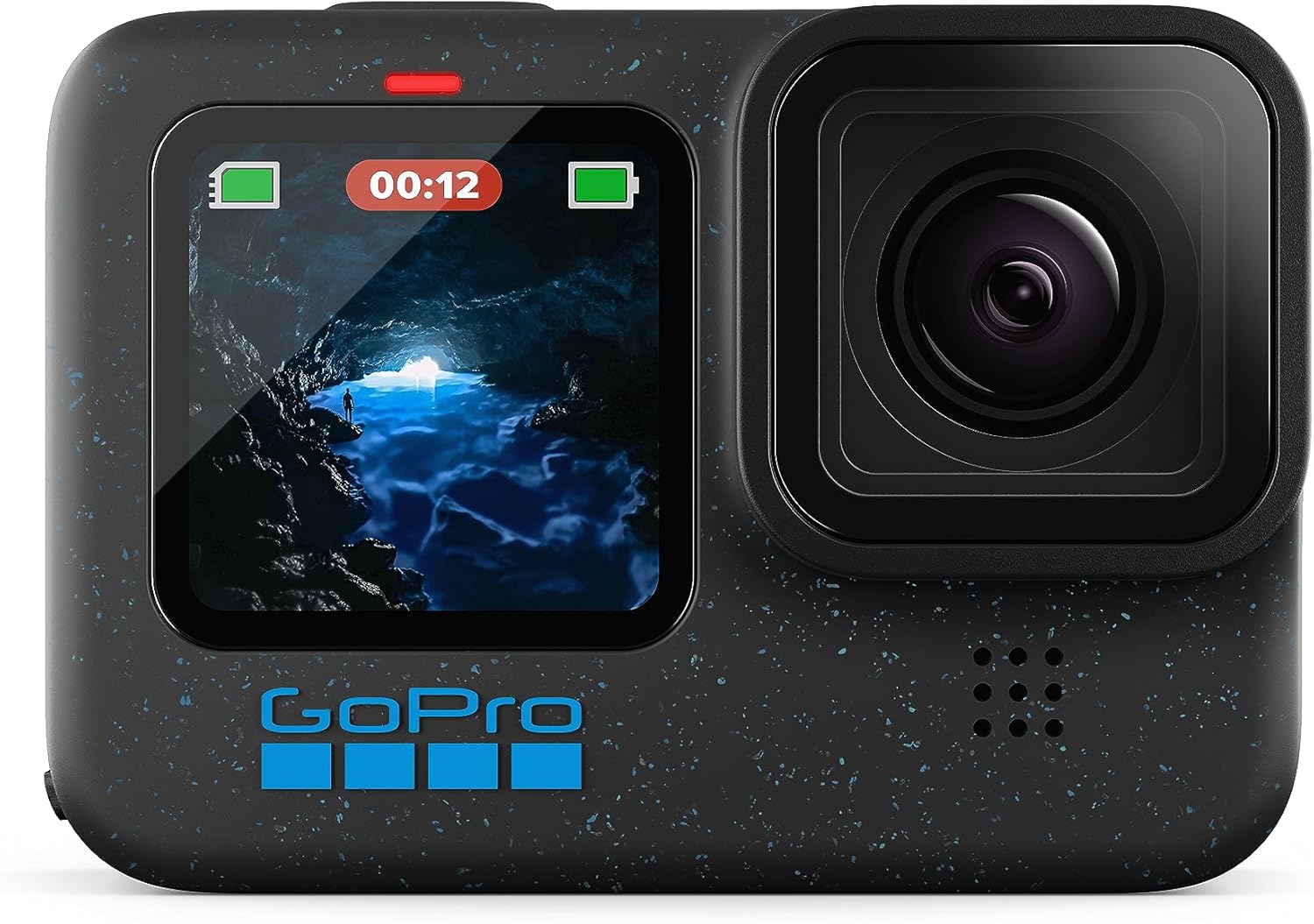
GoPro HERO12 Black - Waterproof Action Camera with 5.3K60 Ultra HD Video, 27MP Photos, HDR
AD
Hotel rooms outside Singapore often have only one or two power points in inconvenient locations. A compact travel power strip with multiple outlets and USB ports solves this. Some cruise ships and aircraft specifically prohibit power strips with surge protection — check the rules if you are going on a cruise.

Travel Power Strip, 3 Outlets 3 USB (1 USB C) Cruise Approved Power Strip, Short Extension Cord 3ft
AD
Most hotels provide hair dryers, but quality varies. If you prefer a specific model, make sure it is dual-voltage (110–240V). This is important for travel to Japan (100V) and the USA (120V) — a Singapore hairdryer rated only for 230V will be damaged or blow a fuse if plugged in directly. A simple plug adapter is not enough for incompatible voltage ranges; you need either a dual-voltage appliance or a step-down voltage converter.
An e-reader weighs under 200g and holds thousands of books — ideal for long-haul flights and downtime at the hotel. Download your books and podcasts before departure; WiFi availability is inconsistent in many destinations. A single charge typically lasts 4–6 weeks with regular use.

Kindle Paperwhite (16 GB) - Now with 6.8" display and adjustable warm light
AD
7. Summary
International travel from Singapore requires more preparation than it might seem, but the core checklist is manageable. As long as you have your passport, travel insurance, credit card, and phone, you can handle most situations on the ground. Most toiletries and forgotten items can be purchased at your destination. Pack light, prepare for the destination's actual climate, and enjoy the trip.
For government travel advisories specific to your destination, consult the MFA Singapore website at mfa.gov.sg before departure. The Overseas Singaporean Unit (OSU) also maintains emergency contact information for Singaporeans who encounter difficulties abroad.
| Item | Notes |
|---|---|
| Passport | Check expiration — many countries require 6 months validity beyond travel dates |
| Visa / ETA | Singapore passport is visa-free for 190+ countries — check MFA.gov.sg for your destination |
| Credit Card | DBS Altitude Visa Signature — strong miles earning for travelAD |
| Cash (SGD + local currency) | SGD is easily exchangeable; Changi Airport money changers offer competitive rates |
| eSIM / Roaming Plan | Singtel, StarHub, M1, or Circles.Life all offer travel add-ons; eSIM is the easiest option |
| Travel Insurance | No universal overseas coverage for Singaporeans — Income Insurance, AXA, or FWD are popular choices |
| Type G Plug Adapter | Singapore uses Type G (same as UK) — you may need an adapter at your destination |
| Flight Tickets | Save boarding passes to your phone + print a backup |
DBS Altitude Visa Signature Card
For Singaporean travelers heading abroad, the DBS Altitude Visa Signature Card is widely regarded as one of the most practical travel credit cards available locally. It earns air miles on every purchase — a feature that matters most when you are spending abroad. Note that a 3.25% foreign currency transaction fee applies to overseas purchases, which is standard for most Singapore credit cards.
Most standard Singapore credit cards charge a foreign currency transaction fee of around 2.8–3.5% on overseas purchases. On a S$5,000 trip, that adds up to S$140–175 in avoidable fees. The DBS Altitude eliminates this entirely while simultaneously earning you miles you can redeem for future flights.
Beyond the savings, the card comes with complimentary travel insurance when you charge your full travel fare to the card — providing coverage for flight delays, lost baggage, and personal accident.
- 3.25% foreign currency fee — standard rate, offset by strong miles earning
- 3 miles per S$1 on online flight and hotel transactions
- 1.3 miles per S$1 on all other local and overseas spend
- Complimentary travel insurance when fare charged to card
- Airport lounge access — 2 complimentary visits per year via Priority Pass
- Miles transfer to KrisFlyer, Asia Miles, and other frequent flyer programs